By Jill Malmgren
For too many children, dental care doesn’t fail because families don’t care—it fails because timely care is hard to reach. Appointments are booked out months—and sometimes a year or more—in advance. Clinics are far away. Parents can’t miss work. Children miss school. And instead of receiving preventive care, many children enter the dental system only once pain, infection, or swelling makes waiting impossible.
For clinics serving underserved communities, this isn’t an occasional challenge, it’s a daily reality.
That’s why conversations about expanding the dental workforce have taken on new urgency. Expanded roles for dental hygienists, dental therapists, and dental assistants are not abstract policy ideas for safety-net providers. They are practical tools already in use that help children receive care earlier, closer to home, and before preventable disease causes lasting harm.
This is the problem America’s ToothFairy and its Dental Resource Program (DRP) partners work to solve every day.
The Real Barriers Families Face
DRP members consistently describe barriers to care that go far beyond oral health awareness.
Michal Herman, DDS, FACD, Chief Operating Officer of KinderSmile Foundation in Bloomfield, New Jersey, explains that access challenges are often structural, not behavioral. “When there aren’t enough providers to meet community need, prevention becomes incredibly difficult,” Herman says. “Families face transportation challenges, limited clinic hours, language barriers, and fear—sometimes related to immigration status or discrimination. As a result, children often don’t receive care until pain or infection forces them into the system.”
The consequences ripple outward. Children miss school. Parents miss work. Minor issues progress into emergencies. What could have been prevented early becomes more complex, more costly, and more disruptive to a child’s life.
Dental Hygienists: Autonomy as an Access Solution
Dental hygienists are often the first—and most consistent—point of contact for children in underserved communities. But their ability to improve access depends not just on training, but on autonomy: the authority to deliver preventive services where children are, without unnecessary delays or administrative barriers.
Expanded autonomy for dental hygienists allows prevention to happen earlier, particularly in schools, community settings, and rural areas where dentists may be scarce.
Crystal Spring, RDH, founder and Executive Director of Smiles Across Montana, has built her organization around this principle while serving rural and frontier communities. “Geographic distance and lack of transportation are major barriers for families here,” Spring says. “When care requires long travel or time off work and school, preventive visits often don’t happen. Hygienists working in schools and community settings remove those barriers and allow care to happen earlier—before pain or infection occurs.”
With expanded autonomy, dental hygienists can provide oral health education and risk assessment; screenings and preventive services: fluoride, sealants, and minimally invasive treatments; and family-centered education that builds trust and follow-through.
Spring emphasizes that autonomy does not mean isolation. In Montana, hygienists work within team-based, dentist-connected models, collaborating with dental assistants, community health workers, and dentists to ensure continuity and referral when more complex care is needed. “Expanded hygiene roles are most effective when they’re integrated into a team-based care model,” Spring notes. “That’s how we extend access while maintaining quality—and reach children sooner, often before they ever experience pain.”
In urban settings, the stakes are just as high. Dr. Herman adds: “Dental hygienists play a critical role in education, recall, and trust-building. Without sufficient autonomy to deliver preventive care, we see higher disease burden and worse long-term outcomes—especially in communities already facing inequities.”
Across geographies and care models, clinics agree: Expanded autonomy for dental hygienists is essential if prevention is going to reach children who are least likely to access traditional dental care.
From Prevention to Treatment: Why Dental Therapy Matters
Expanded autonomy for dental hygienists allows prevention to happen earlier and closer to home. But when screenings identify active disease—or when children already present with decay—prevention alone isn’t enough.
In communities where dentist availability is limited, timely restorative care often determines whether a child’s oral health issue remains manageable or escalates into pain, infection, and emergency care.
This is where dental therapy enters the access conversation.
Dental Therapists: Closing the Gap Between Screening and Care
For many children, the greatest access gap isn’t identification of need—it’s what happens next.
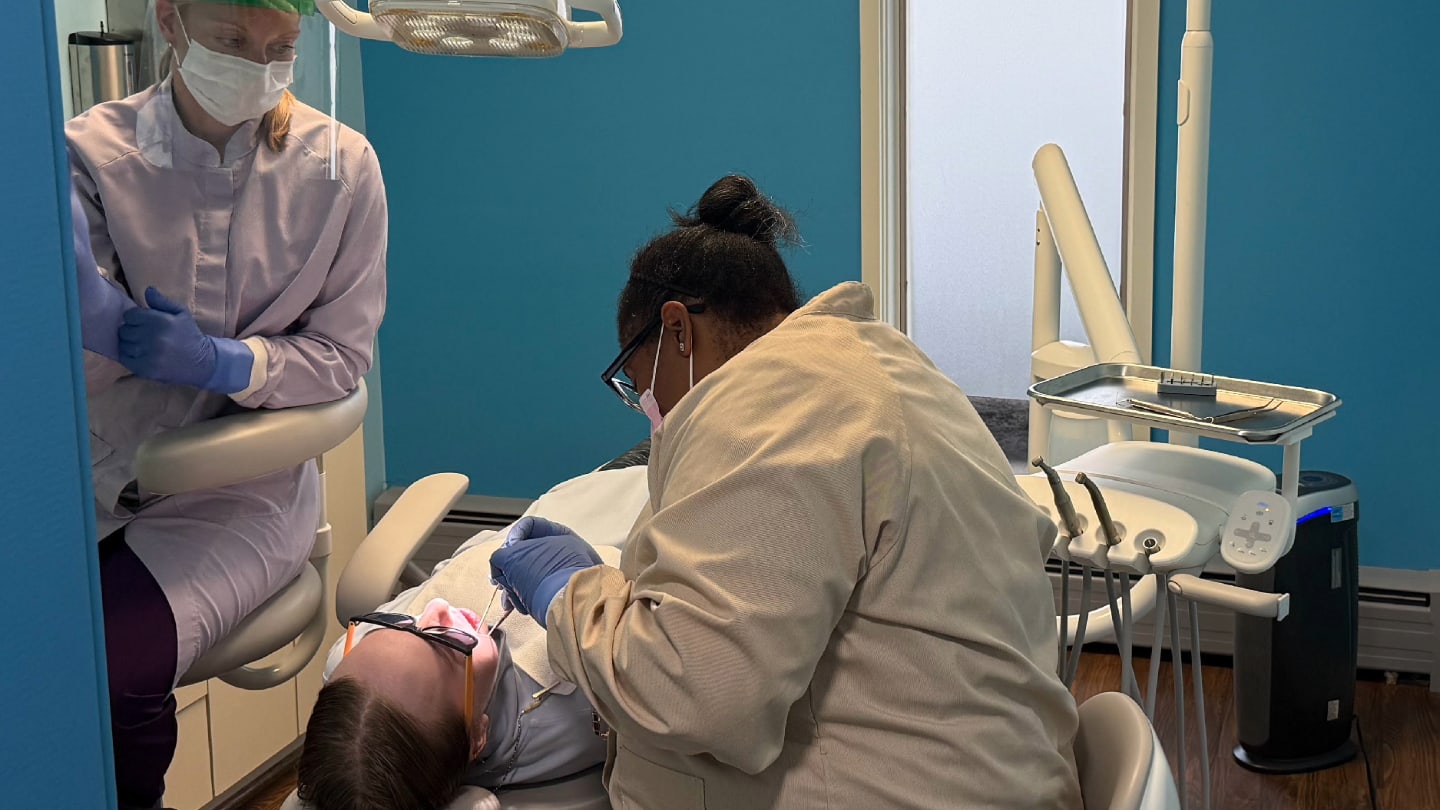
School-based screenings and community outreach often uncover cavities that require prompt treatment. Without sufficient provider capacity, follow-up care can be delayed long enough for disease to worsen. Dental therapists help close that gap by delivering timely, appropriate restorative care as part of dentist-led teams.
At Children’s Dental Health Services in Rochester, Minnesota, Sarah Hayes Anderson, Executive Director, describes the impact clearly: “Dental therapy has made a meaningful difference in our ability to provide timely, high-quality care. By allowing appropriate services to be delivered by our Advanced Dental Therapist, we’re able to reduce wait times, complete referrals more effectively, and prevent minor issues from becoming more complex.”
Hayes Anderson emphasizes that dental therapy functions within clear clinical protocols and dentist supervision, allowing dentists to focus on complex cases while maintaining continuity and quality of care.
Extending Dentist Expertise Beyond Clinic Walls
Some children face barriers so significant that clinic-based care alone will never be enough.
Ready Set Smile, a Minnesota-based organization founded by a dentist and governed by dentist board members, brings care directly into daycare facilities and elementary schools through Advanced Dental Therapists.
Leah Loehndorf, an Advanced Dental Therapist with Ready Set Smile, explains the stakes: “Many of the children we serve would not see a dentist for years—if ever—without school-based care. By providing minimally invasive restorative and preventive services on-site, we can stop disease progression before it leads to pain, infection, or emergency room visits.”
In this model, dental therapists extend the reach of dentists—providing exams, preventive services, and minimally invasive restorative care in community settings, while referring children to partner clinics for urgent or complex needs.
The result is not replacement but reach.
Scale, Evidence, and Reassurance for the Profession
At Apple Tree Dental in Minnesota, dental therapy has been part of the care model for more than a decade—providing evidence for professionals seeking data, not anecdotes.
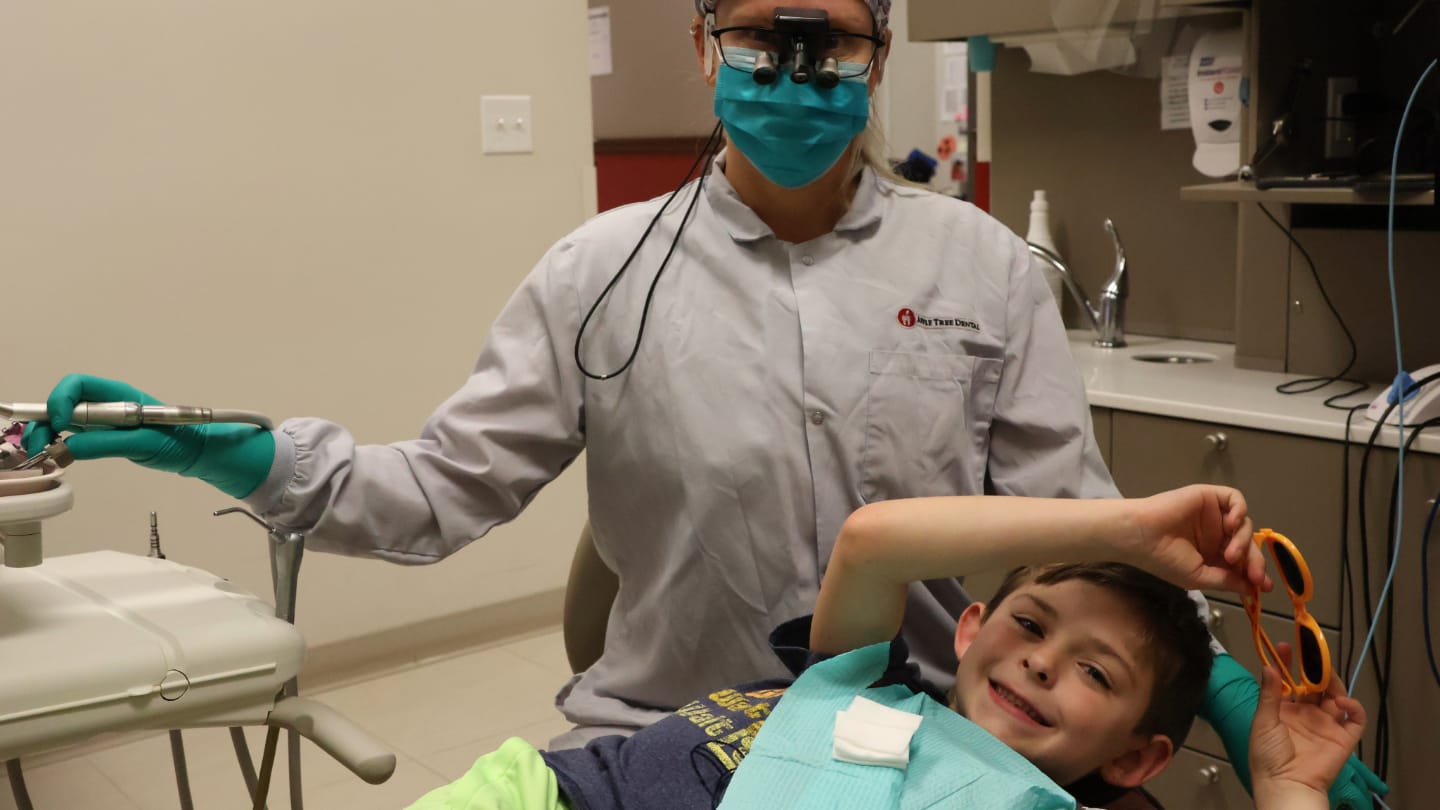
Heather Luebben, one of Minnesota’s first dental therapists, works within pediatric specialty and special care teams serving children and adults with complex needs. “Dental therapists allow us to triage care based on complexity,” Luebben says. “Dentists can focus on patients who truly need specialist care, while we deliver high-quality preventive and restorative services sooner and in more accessible settings.”
In 2024 alone, Apple Tree Dental delivered $46.5 million in dental care, with $9 million provided by dental therapists across fixed clinics and more than 150 community sites. Research conducted in partnership with the Center for Health Workforce Studies shows increased dentist productivity, high patient and provider satisfaction, more dental needs met in fewer visits, and timelier access to care.
For clinics navigating workforce shortages, these outcomes matter.
Dental Assistants: Protecting Capacity, Quality, and Care Teams
While dental hygienists and dental therapists expand access at key points in the care continuum, dental assistants play a critical role in ensuring these models are safe, sustainable, and effective—especially in high-volume and mobile care settings.
At Mobile Care Chicago, staffing constraints are a daily reality. Clinics are often staffed with a single provider, limiting how many children can be seen safely in a day. Sebastian Hernandez, Senior Dental Program Manager, explains: “Each provider can safely treat only a limited number of children during a clinic day. When patient volume exceeds that capacity, wait times increase and providers experience fatigue—which can increase the risk of errors and injury over time.”
Dental assistants help protect both patient safety and provider well-being by taking on essential clinical and administrative responsibilities that keep clinics running smoothly.
At Mobile Care Chicago, assistants register patient information in advance, reducing delays during clinics, and they ensure records are complete and accurate before care begins. They perform expanded functions, such as coronal polishing, supragingival scaling, and sealant applications (where permitted), allowing more children to be seen.
“By handling both administrative and clinical tasks,” Hernandez notes, “dental assistants allow providers to focus on direct patient care and help us see more children during each clinic.”
Equally important, assistants help prevent burnout by rotating responsibilities and supporting team-based problem-solving—an approach that keeps clinics operating effectively even under challenging conditions.
In access-driven care models, dental assistants are not ancillary—they are essential.
A Brief History of the Conversation—and the Concerns
Discussions about expanded dental workforce roles are not new—and neither are concerns raised by professional associations.
Some organizations have questioned training consistency across states, clinical oversight and accountability, and patient safety and quality of care. These concerns are important and deserve thoughtful consideration. What is notable, however, is how clinics actively using expanded workforce models respond to these questions.
Among each of the DRP members who contributed to this article, several themes emerged consistently:
-
Expanded roles operate within dentist-led, team-based care models.
-
Clear protocols, collaborative agreements, and referral pathways are essential.
-
Expanded roles do not replace dentists, but extend their reach.
-
Quality, continuity, and patient safety remain central priorities.
“When prevention and early intervention are delayed, communities pay the price,’ Dr. Herman says: “Expanded workforce models—when implemented thoughtfully—allow care teams to intervene earlier, reduce disease burden, and improve long-term outcomes.”
For providers serving underserved children, the question is no longer whether expanded roles should exist—but how they can be implemented responsibly, effectively, and in ways that best serve patients.
Why This Matters
Every delayed appointment represents a child who could have been helped sooner. Every missed preventive visit increases the likelihood of pain, infection, and more invasive treatment later.
Expanding the dental workforce is not about lowering standards. It’s about aligning training, autonomy, and care delivery with the realities families face—so prevention happens before pain.
For America’s ToothFairy and the clinics it supports, this work is deeply human. Because behind every access barrier is a child waiting longer than they should for care that could change their life.
About the Author
Jill Malmgren has been a leader with America’s ToothFairy since its founding in 2006, rising from volunteer to Executive Director in 2016 and expanding the organization’s national reach and impact on children’s oral health. With a background in healthcare operations, including leadership roles at Newport Coast Oral Facial Institute and the internationally recognized Sheets, Paquette & Wu Dental Practice, she brings strategic and operational expertise to her work. A published author and national speaker, she champions large-scale prevention initiatives that deliver oral health education and care products to hundreds of thousands of children annually and serves on the Board and as Treasurer for People Advocating for Optimal Health and as a Board Member for the American Academy for Developmental Medicine and Dentistry.
Figures and Images